The Zoo

05/21/2012

0 Comments

 
Last weekend, my wife and our daughter took the grandkids to the zoo. They were kind and asked if I’d like to join them. (I think they may have just wanted a driver). At first, I said no, but then after thinking about it, I decided to go. I hadn’t been to the zoo in years and then there was the part about being with the grandkids so, I went. I probably should have stayed with my original choice.

The zoo was pretty much as I remembered, fewer animals than they used to have but they still had the usual assortment – bears, lions, tigers, elephants, and my all-time favorite, the monkeys. Some would perhaps suggest that’s due to a primal kindred spirit. However, contrary to this popular opinion, I am not, and have never been, a monkey. I just like to watch them. When I was a kid, I could stand for hours, laughing at their antics.

Seeing the animals at the zoo and spending the day with the family was nice but, and here’s the reason I maybe should have stayed home, visiting all the animals requires some walking. A lot of walking. An inordinate amount of walking.

I can handle short walks. From the house to the pickup isn’t bad, a casual stroll through the yard is not too strenuous, even trudging to the mailbox is okay. But the ten-mile trek they sent us on at the zoo is for the birds – ‘cause they can fly! Me, I can’t fly. So, I had to walk. It was a winding trail, back and forth, up and down, and all around. Yet, in looking over the map they had given us at the gate, most of the walking would have been completely unnecessary. The exhibits were all arranged fairly close together, but instead of connecting them with a simple path from one to the next, we had to follow a roundabout trail all over the countryside. I suppose the idea is to create a sense of realism, to make it seem as if we were really in the jungles of Africa or on Safari in the Outback of Australia. That might have worked except for the paved path, steel cages, and the thick glass we had to look through to see the animals. Sort of gives it away.

I think it’d be better to forgo the fake setting in favor of a centrally structured design - get a big open space and build all the exhibits around it. Or, better yet, why can’t I just go sit down on a bench and have the people at the zoo bring the animals by for me to see? Let the animals do some walking for a change!

Okay, I’ll admit I may have overreacted a bit or maybe exaggerated the situation slightly, but there was an awful lot of walking involved. Too much walking for me – I’m a truck driver not a pedestrian. I don’t have that much energy. Next time, while everyone else wanders all over creation, I’ll just go watch the monkeys.

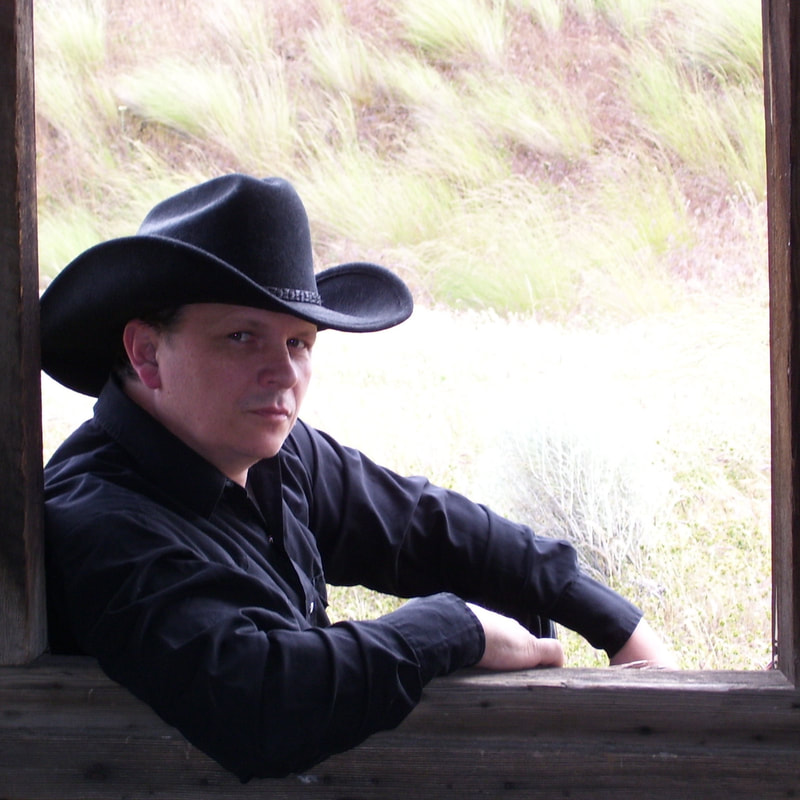
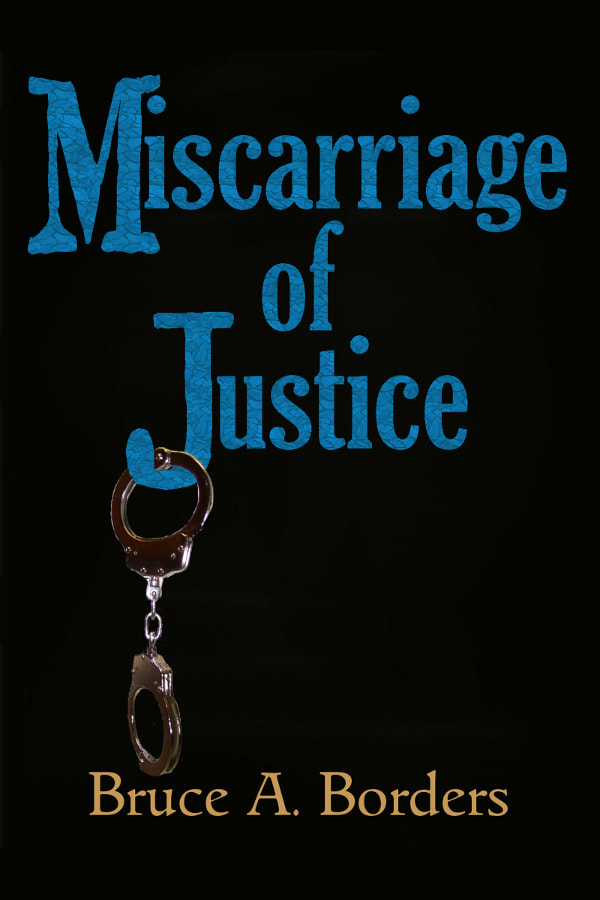
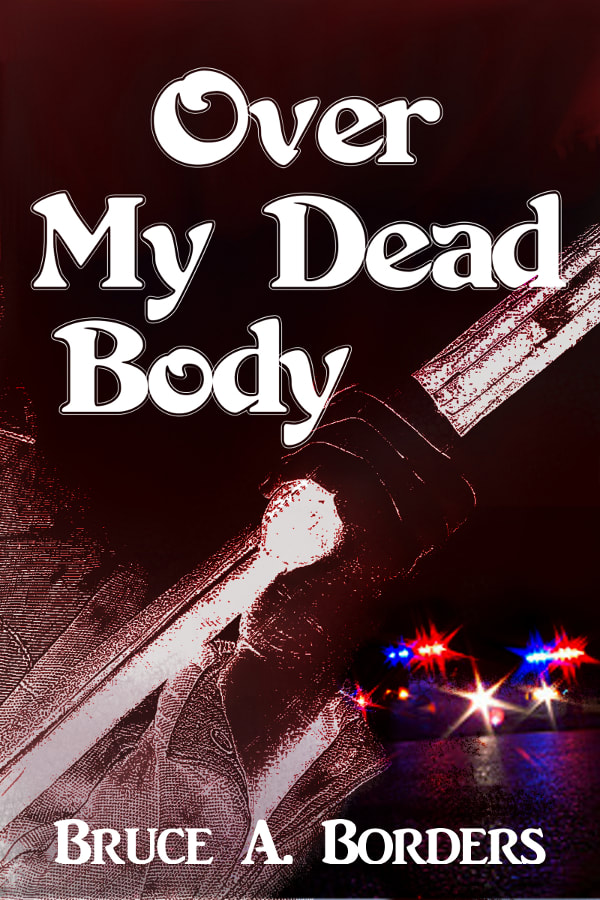
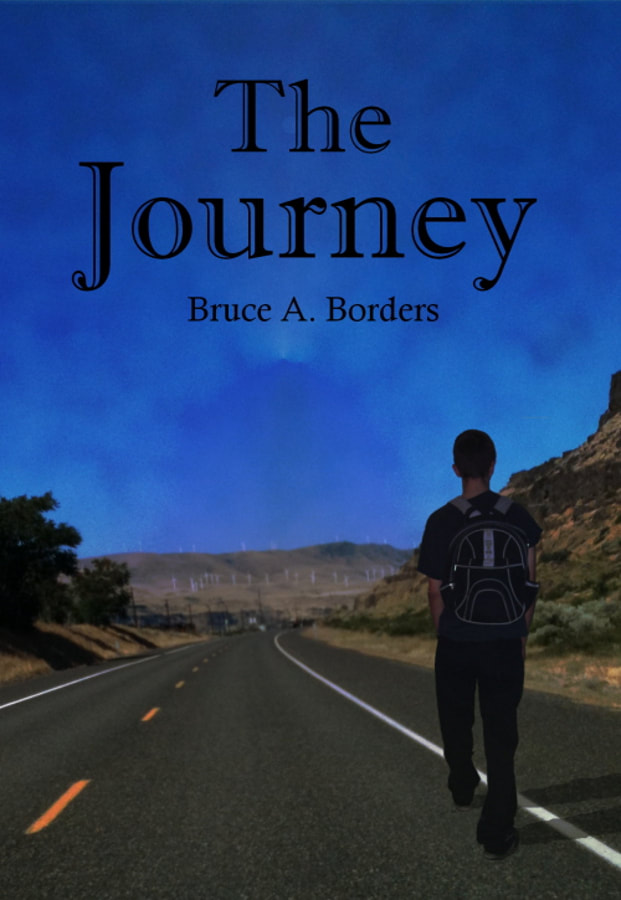
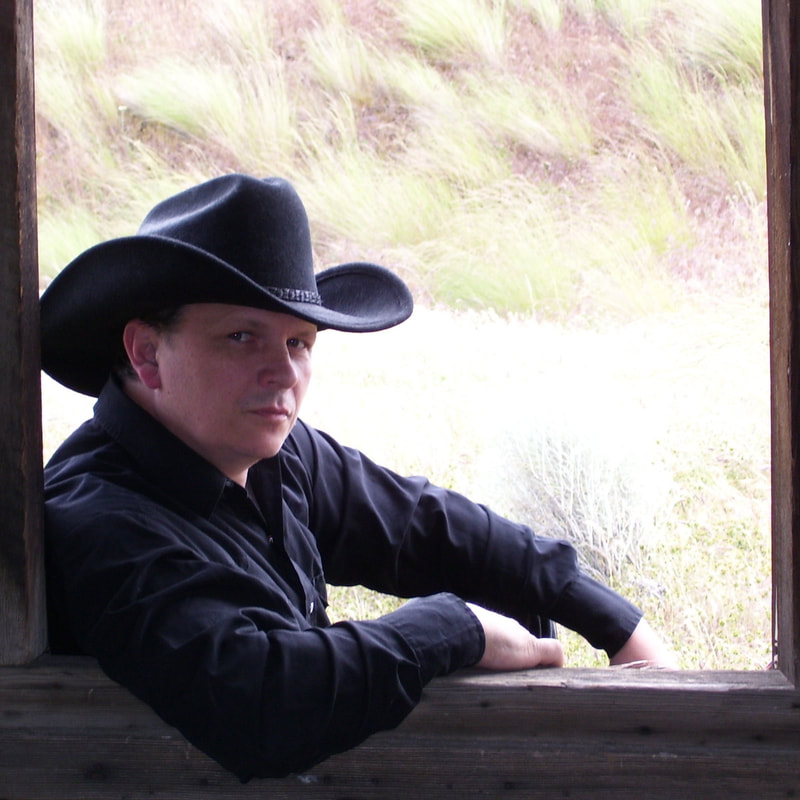
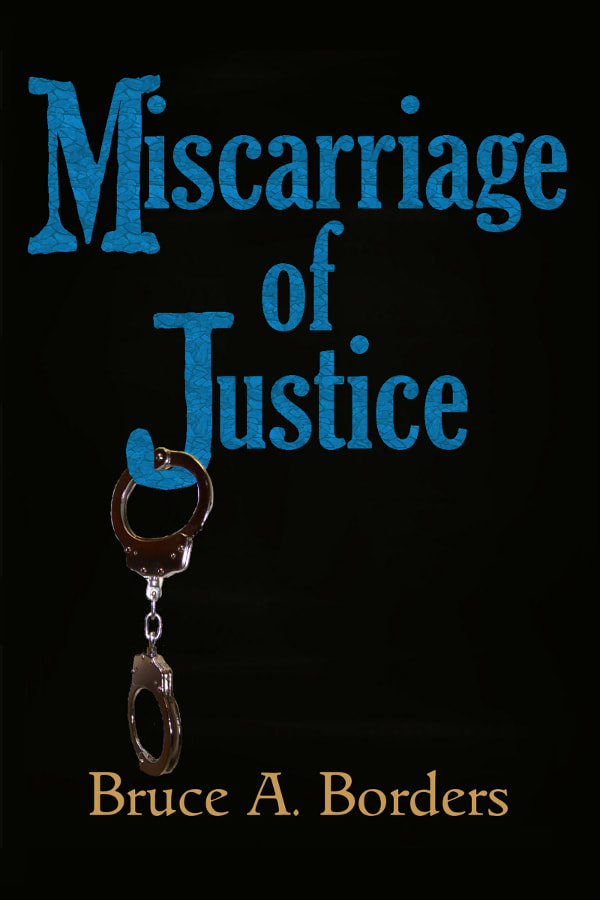
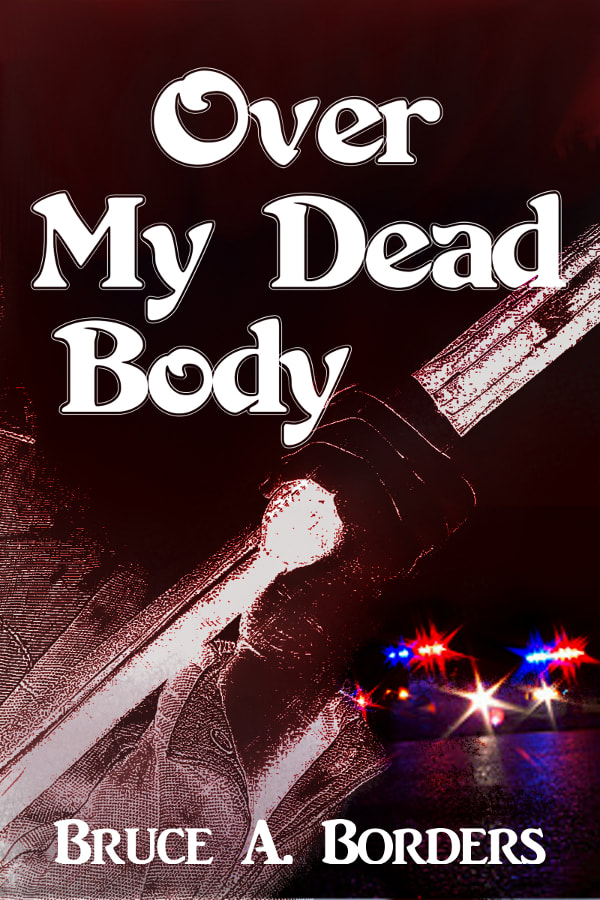
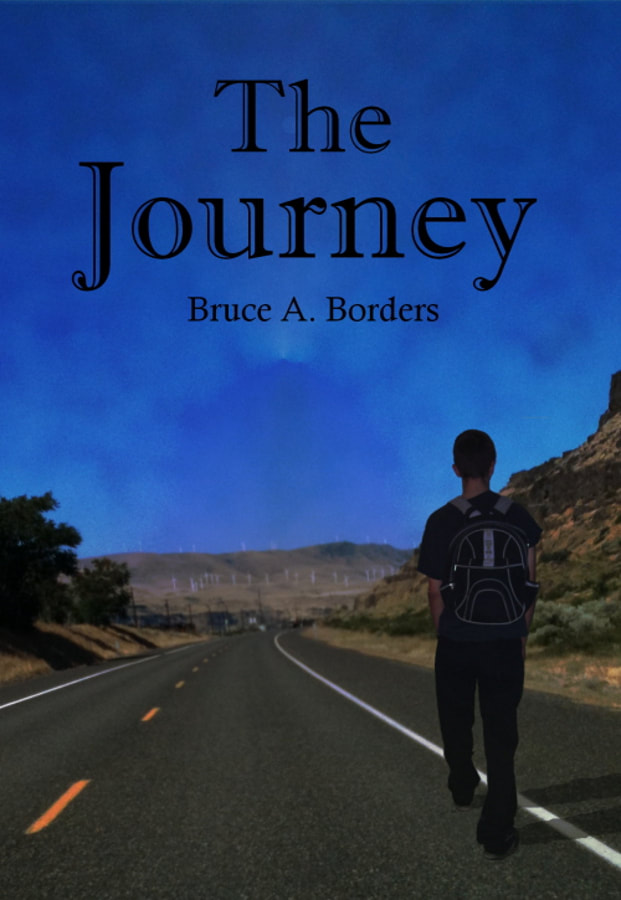
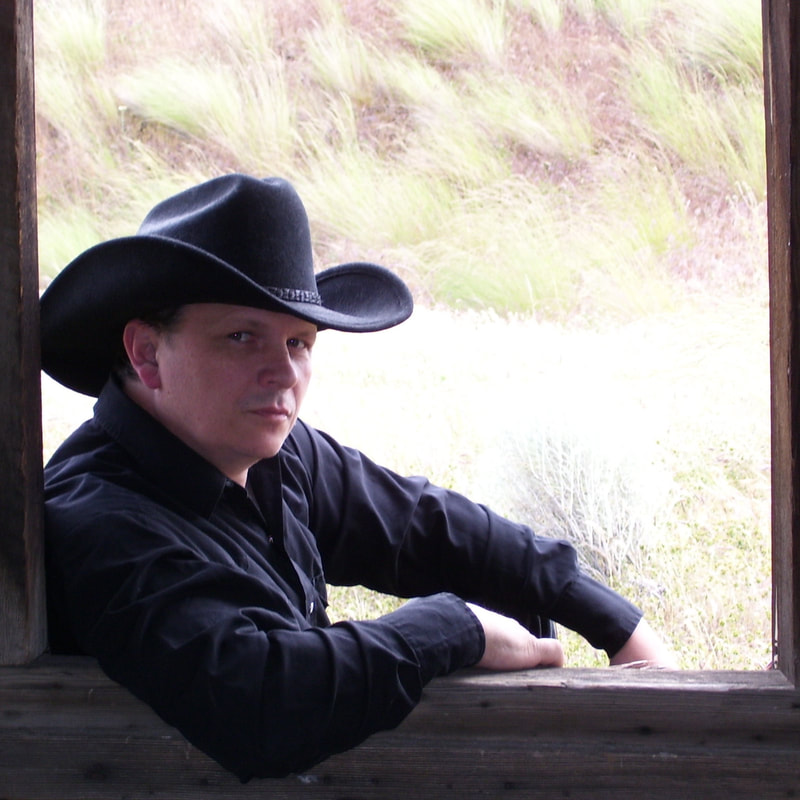
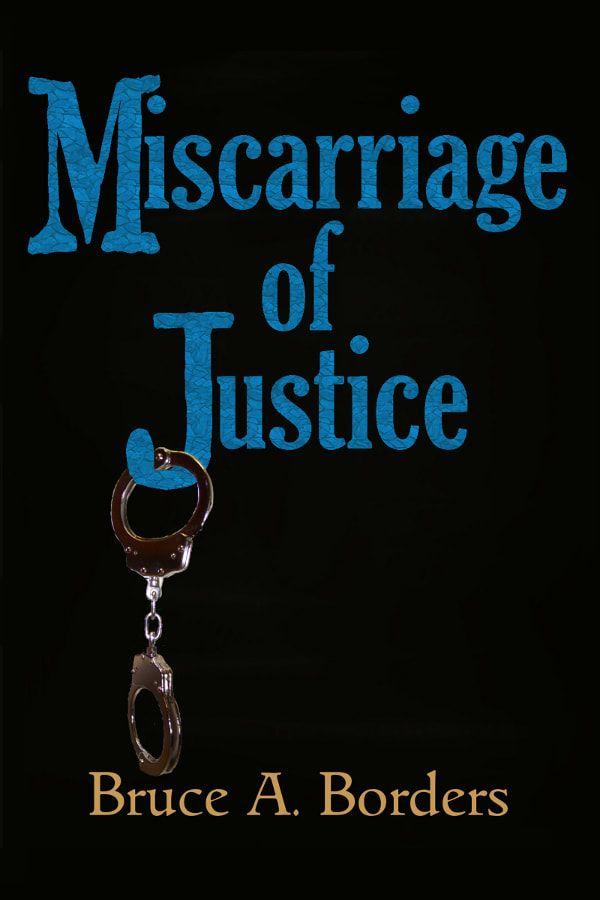
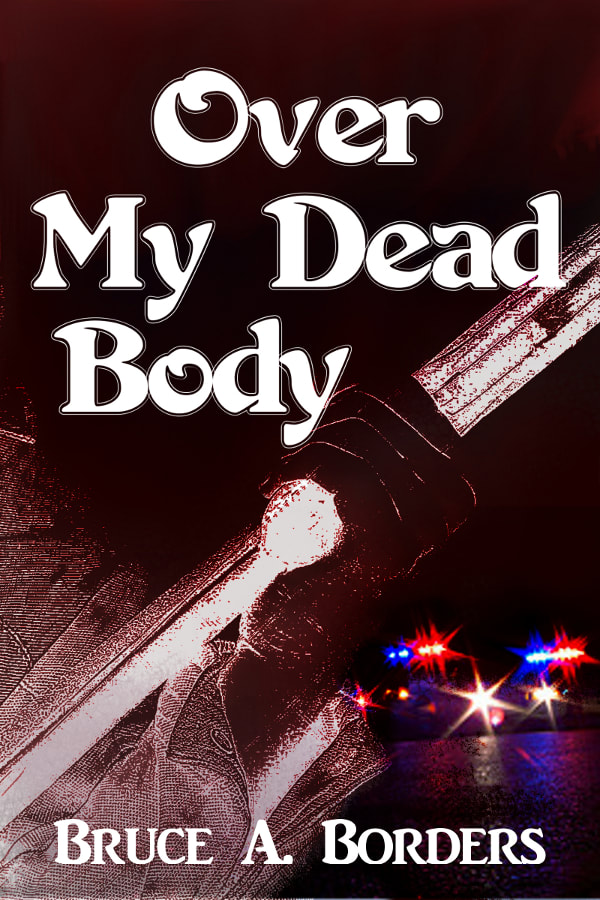
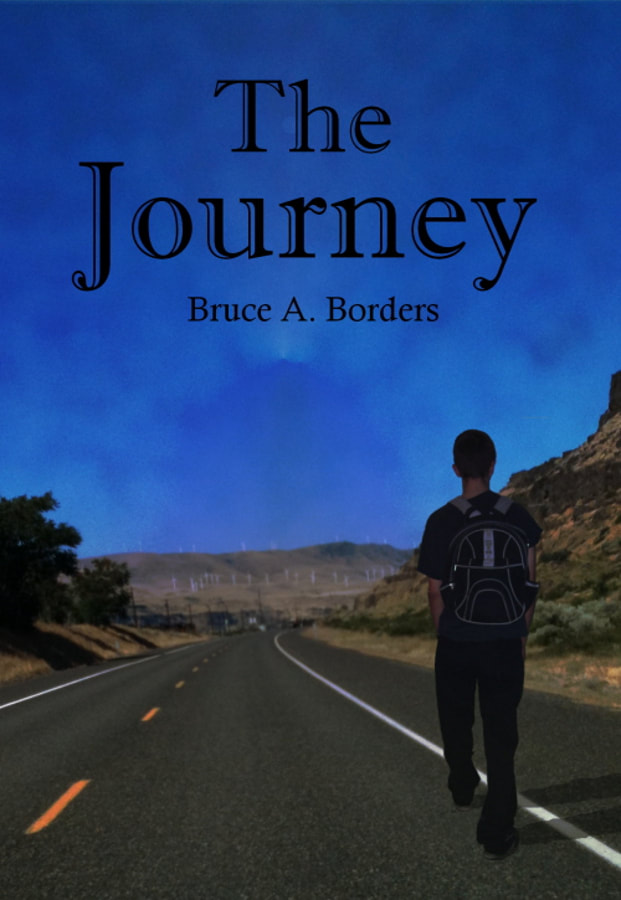
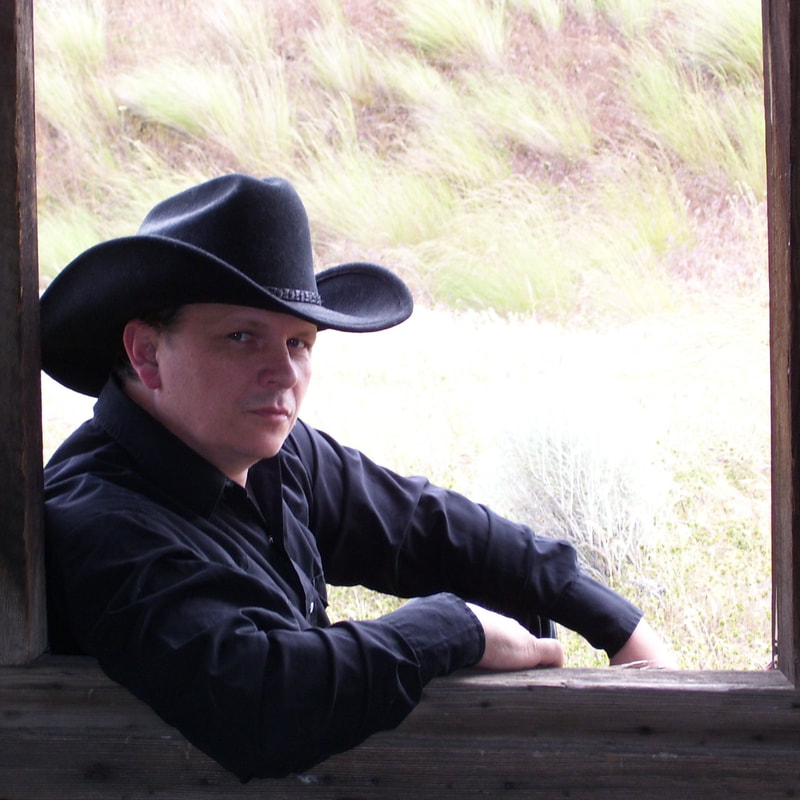
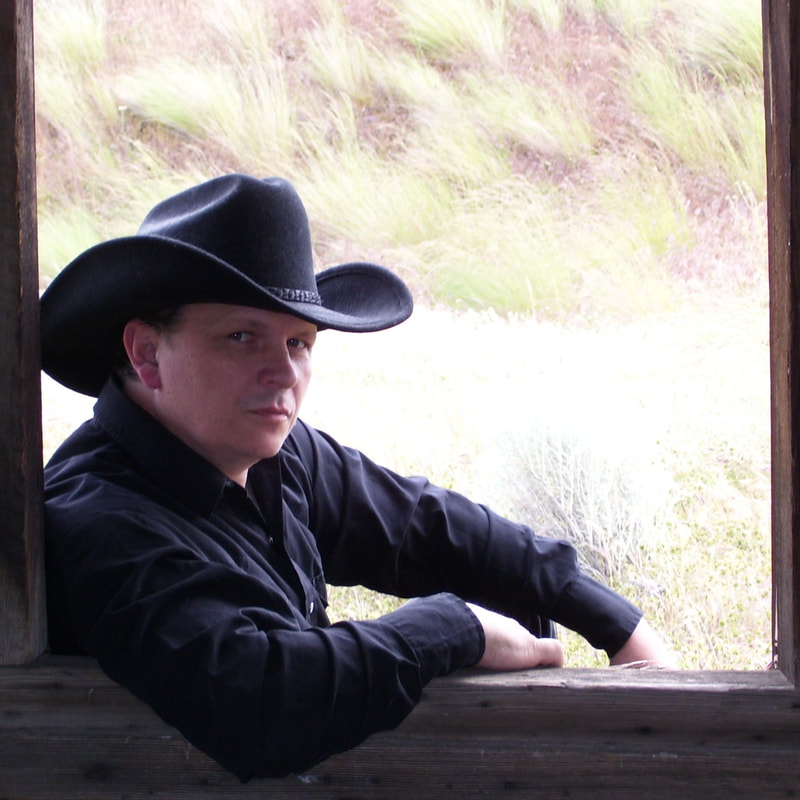
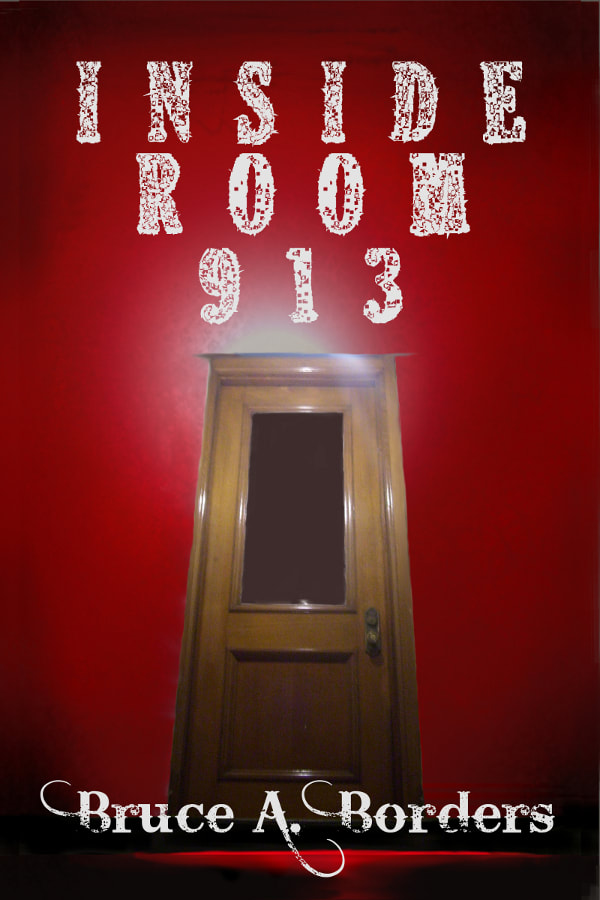
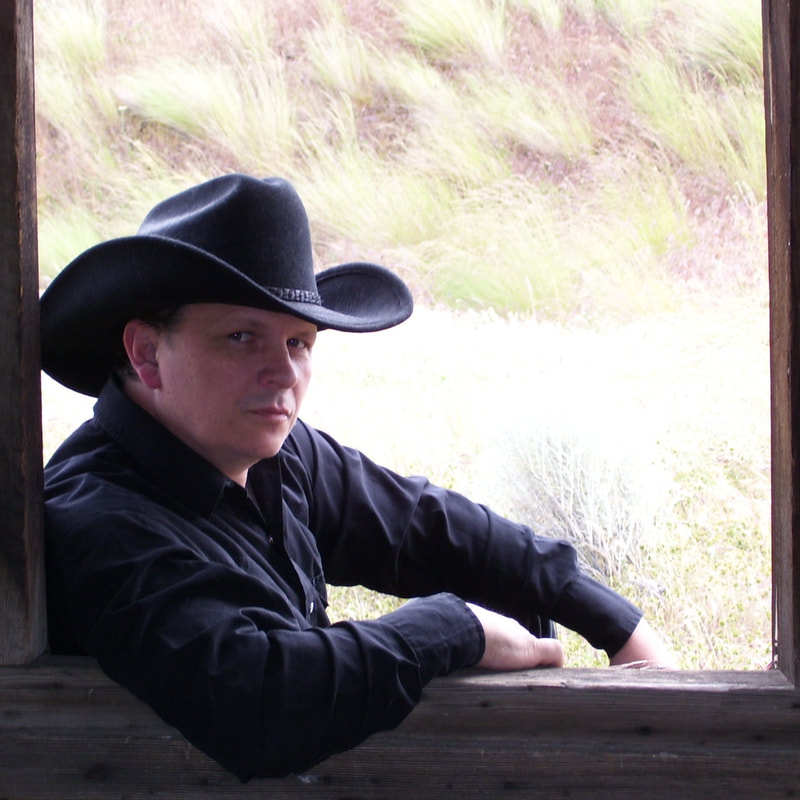
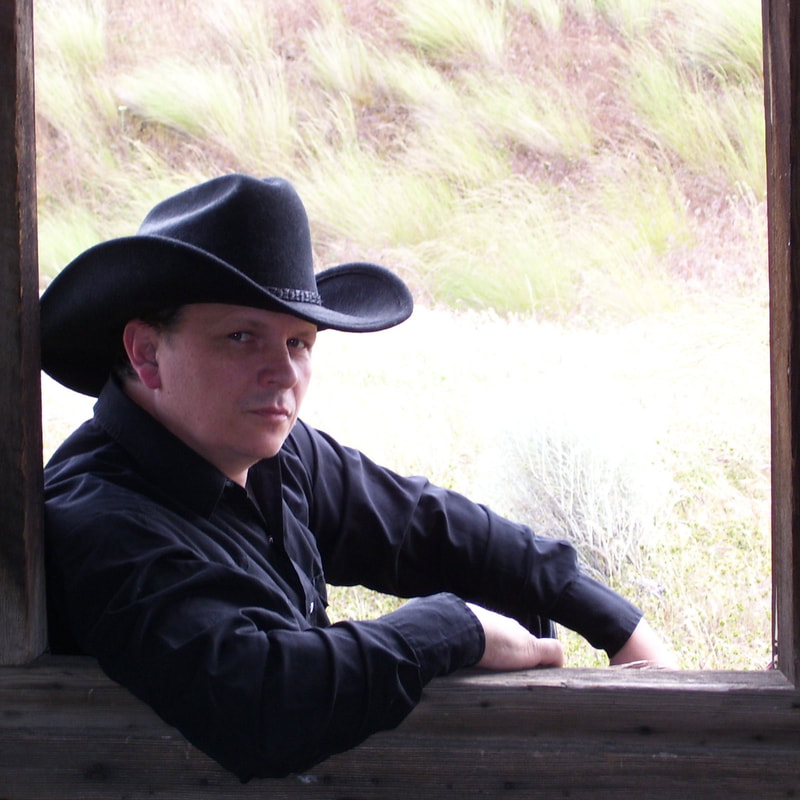
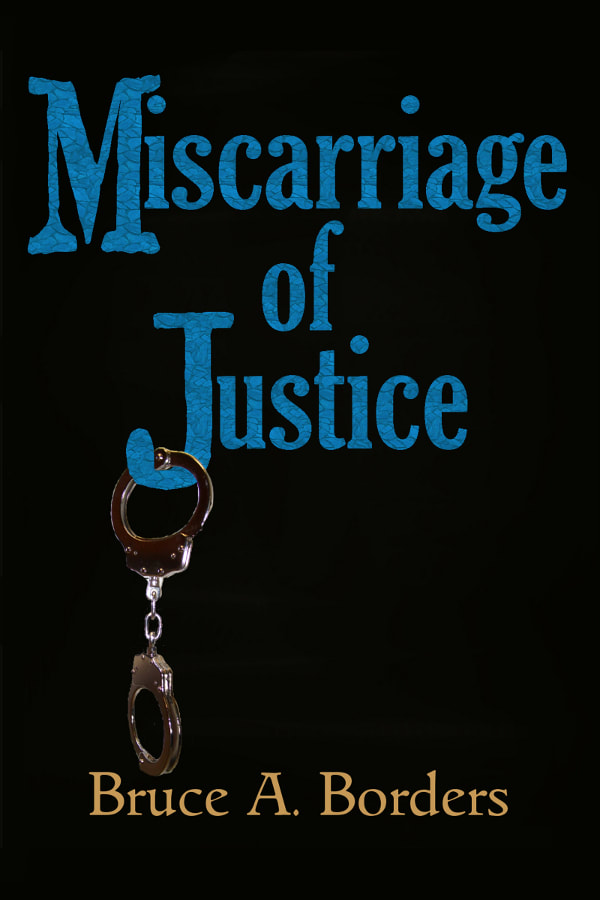
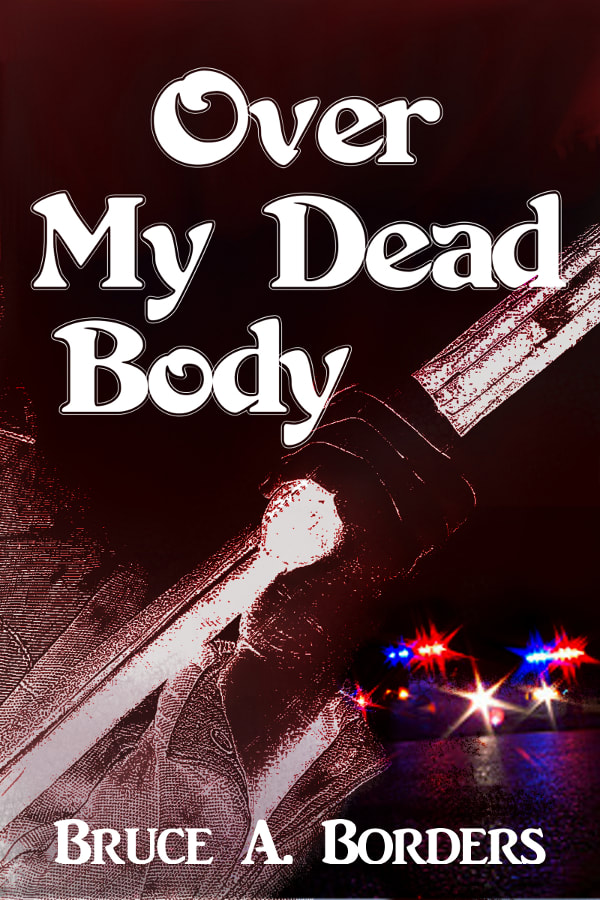
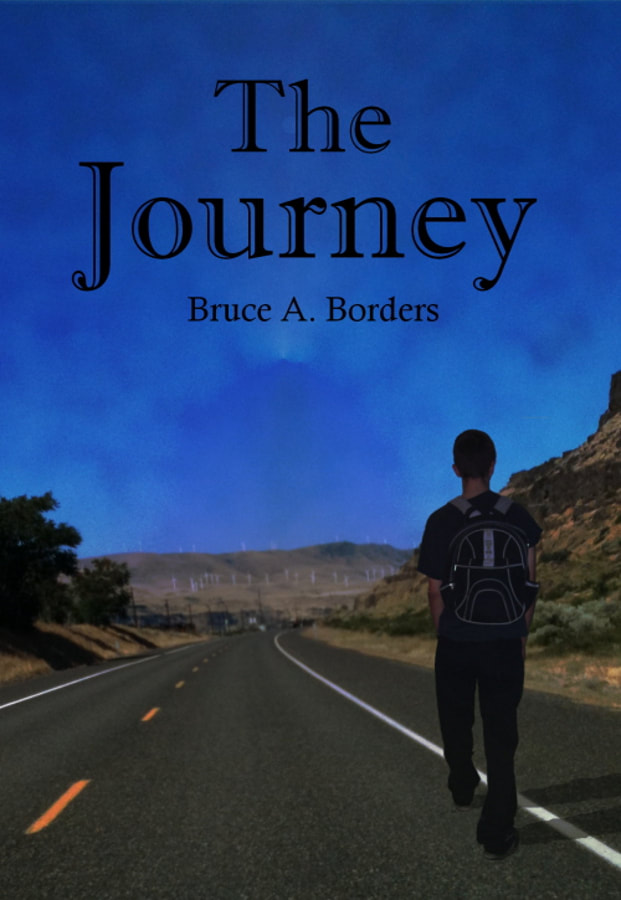
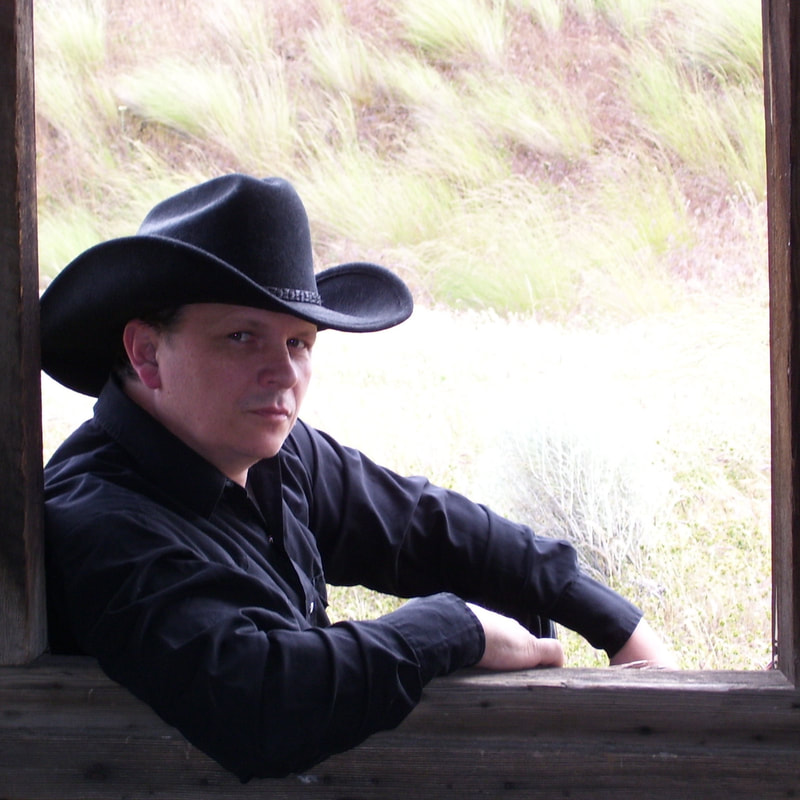
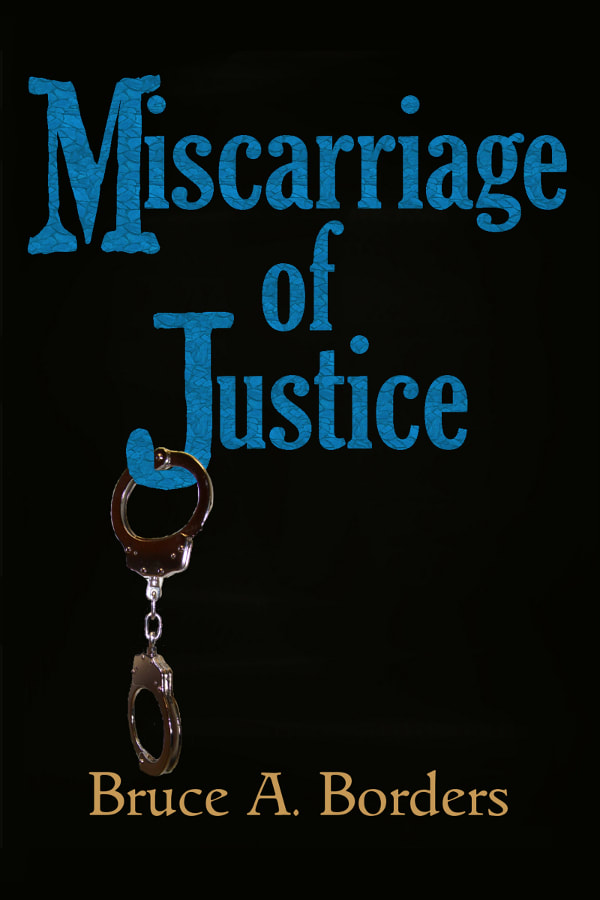
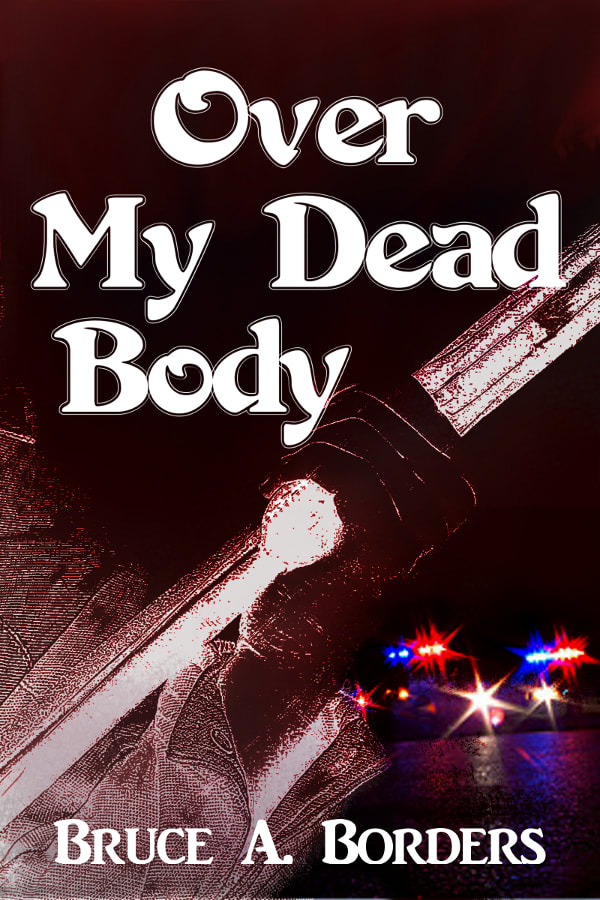
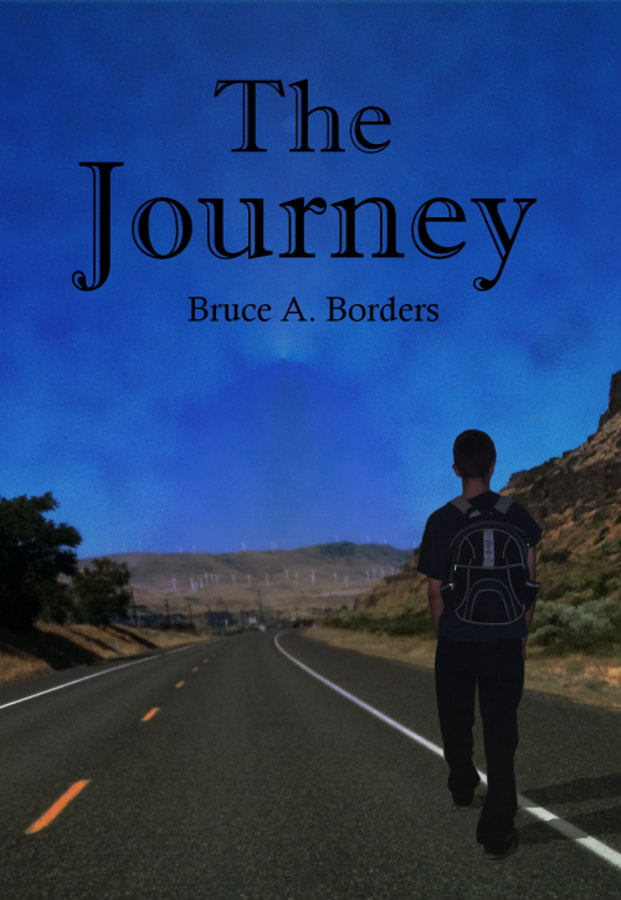
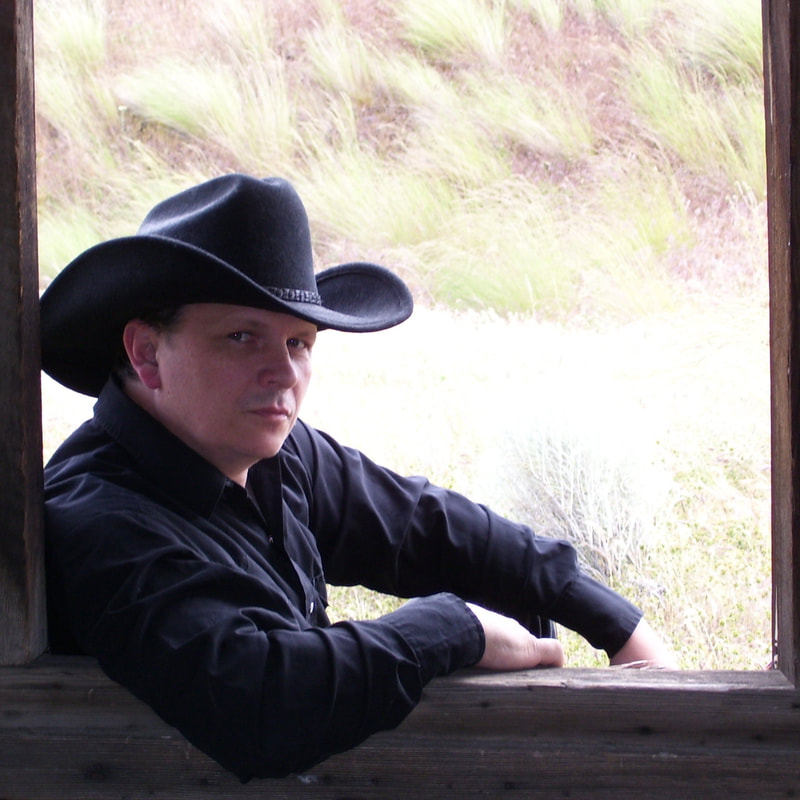
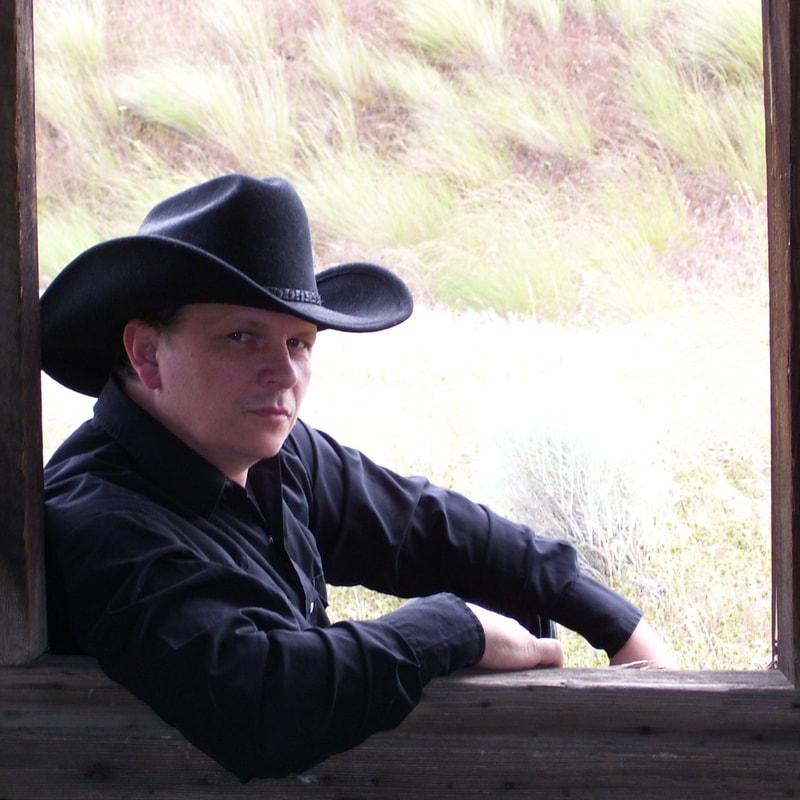
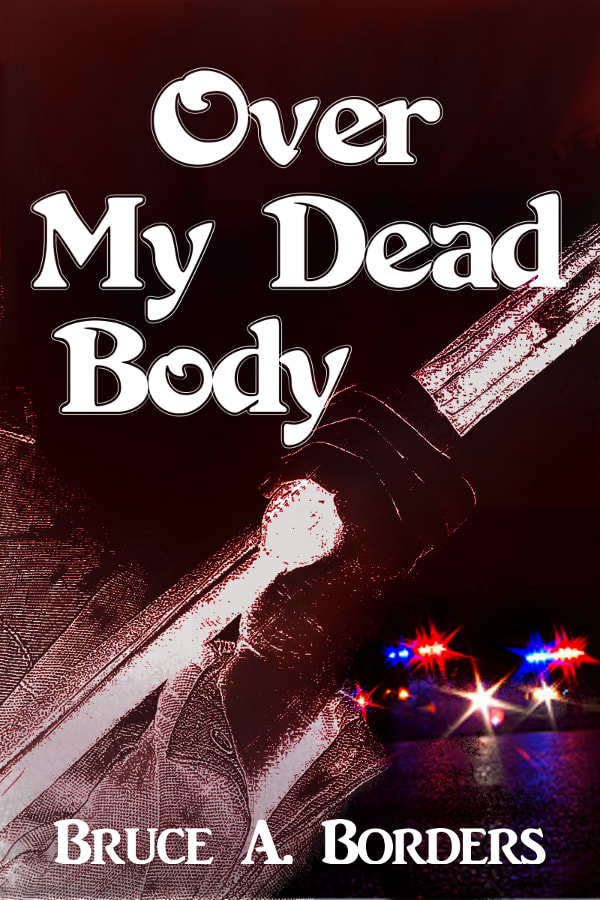
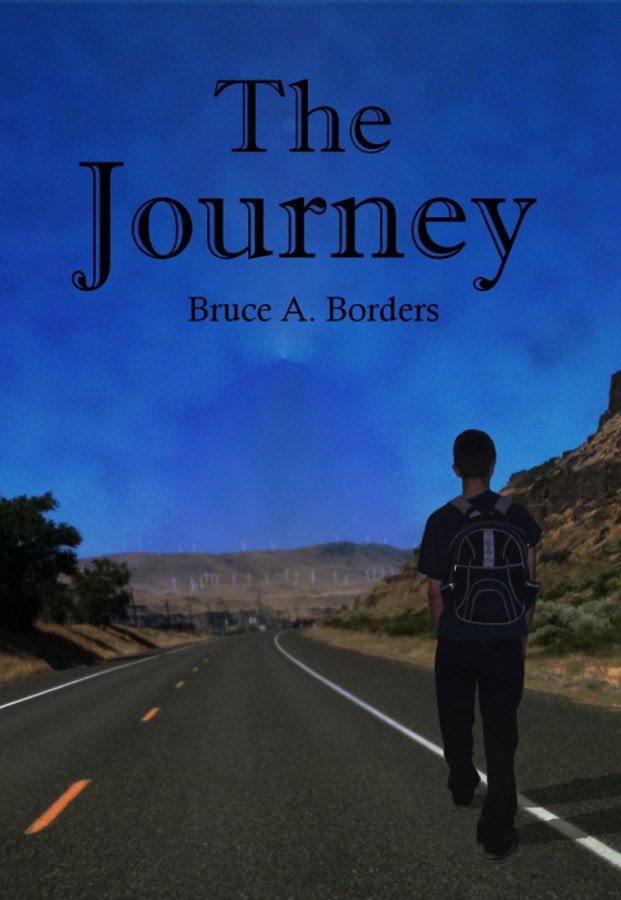
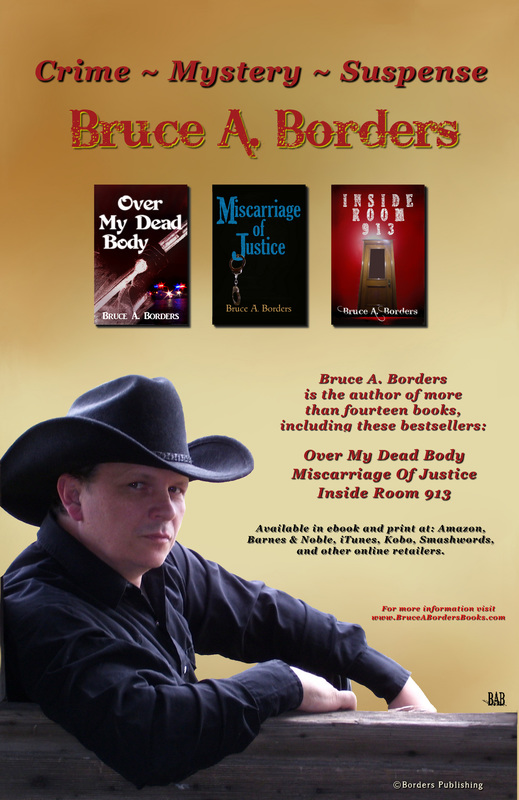
Bruce A. Borders, author and songwriter has over 500 songs and more than a dozen books. Over My Dead Body, The Journey, and Miscarriage Of Justice, his latest books, are available on Apple I-Pad®, Amazon Kindle®, Barnes & Noble Nook® and Sony Reader®, Kobo, Diesel Books, and Smashwords. For more information, visit www.bruceaborders.com. See Bruce’s Amazon Author Page at www.amazon.com/author/bruceaborders or view his Smashwords Profile at www.smashwords.com/profile/view/BruceABorders


It’s an age-old adage, “What goes up, must come down.” Sometimes it’s hard to apply this to real-life situations, especially for someone who’s new to a certain job.

A few years ago, when I was an over-the-road driver, another driver and I were dispatched to a mountainous area with steep passes, up and then down. The other driver was fresh out of driving school – in his first year of driving truck. Now, runaway trucks are nothing to laugh at and can be quite dangerous, but the trick is for the driver to control the truck and not the other way around. The general rule of thumb for descending steep grades is to use the same gear and go the same speed as when climbing the grade, braking only occasionally. Overuse of the brakes will cause them to heat up and not work. Trust me, you don’t want to be going down a mountain pass in an 80,000 truck with no brakes.

We were halfway down a 5-mile grade when I noticed the other driver had grown strangely silent. I checked my mirror and he was still there, but seemed to be gaining on me rather quickly. I asked if he was all right, and in a stressed voice, he said he wasn’t; that he couldn’t slow down. Instantly, I knew what had happened. Although I’m sure they told him in truck-driving school not to ride the brakes, that’s what he had done. I asked if he’d ever driven in mountains before and he told me he hadn’t. He seemed near panic as he added that he’d never even seen mountains before. He’d gotten scared at the top when he saw what we had to go down. Wanting to make sure he went slow enough, he’d used the brakes way too much.

At that moment, I wasn’t too thrilled that he was behind me. I had nowhere to pull off and I certainly wasn’t going to speed up just to get out of his way. Lucky for me, the guy still had enough wherewithal to steer the truck around me. Lucky for him, no oncoming traffic was approaching. Also lucky for him, the rest of the hill was straight and he rode it out. There still was nowhere to stop and we climbed the next grade. At the top, there finally was a pull-off. His brakes should have cooled enough by then but I wanted to make sure before we started down again.

I made a thorough check of the brakes and they were fine – the driver, not so much. He had no desire to get back in the truck. I did manage to convince him to continue on, by telling him I’d let him know on the CB what gear to use, how fast to go, and when to brake. Since both trucks were just alike and we were hauling the same weight, all he had to do was follow what I did. We started down and I talked him through to the bottom. We continued this way, up and down, me giving instructions, for the next 100 miles or so.

Finally, as the steep grades flattened out, we came to a town. Parking at a tiny truck stop, I could smell the brakes on the other truck. Apparently, he’d still been a little overzealous with them, which he readily admitted, saying at the bottom of every grade he’d started losing his brakes again.

The guy was still shaken and sweating profusely. Walking straight to a payphone, he called the company, and quit. The dispatcher did eventually convince him to drive the truck back to the terminal.

I talked to the same dispatcher a few hours later and he wanted to know what had happened with the other driver. “He needs to relax and not use the brakes so much,” I said a little sardonically.

The dispatcher replied that some people have a hard time getting used to driving a semi-truck in mountains but they usually do get the hang of it. “They just need a little time.”

“Okay,” I said, but I wasn’t convinced. Easy for him to say, he hadn’t been the one in front of a runaway truck. “I’d rather they learn before following me down a mountain,” I said.

Oh, did I mention this was my first year of driving truck too? Okay, to be fair, I should point out that I grew up in mountains – and I was quite familiar with the practical application of the saying, “What goes up, must come down.”

Bruce A. Borders, author and songwriter has over 500 songs and 9 books. Over My Dead Body, and The Journey, his latest books, are available on Apple I-Pad®, Amazon Kindle®, Barnes & Noble Nook® and Sony Reader®, Kobo, Diesel Books, and Smashwords. For more information, visit www.bruceaborders.com. See Bruce’s Amazon Author Page at
www.amazon.com/author/bruceaborders or view his Smashwords Profile at www.smashwords.com/profile/view/BruceABorders
 
 
When I was about 10 or 11, I had an affinity for practical jokes. While we usually tend to focus on the “joke” aspect, we shouldn’t discount the practical side of practical jokes. They can actually prove quite useful, I have discovered.

I’m sure everyone has heard of power naps, a short period of sleep that quickly rejuvenates the body – truckers have practiced the concept for years to avoid falling asleep at the wheel. The results are remarkable. Unfortunately, they are only temporary. But, as I learned, the effects can be greatly extended. At the time of this story, I’d never heard of power naps, but apparently my dad had.

My dad, a preacher, and Pastor of a rather small church, also worked a full time job. Typically, his job turned into more than a mere forty hours a week. Combined with the Pastoral duties it meant his workweek was usually pretty long. As you can expect, he operated on little sleep. And from time to time, he needed to catch up in his rest.

One particular day I remember, he was scheduled to speak at a church over 100 miles away – a little more than a 2-hour drive. He got off work shortly before 5 p.m., rushed home and got ready to leave. Deciding to take me along, to help him stay awake, we left the house with only a few minutes to spare. We’d been on the road for just under an hour when my dad started having trouble keeping his eyes open. No, sadly, he didn’t let me drive, although I did offer! Instead, he pulled over to take a short nap. “Wake me up in 15 minutes,” he said.

I said, “Okay.” I already had a plan that I thought should keep him from falling asleep the rest of the trip. Waiting until I was sure he was sleeping, I ran the clock on the dash ahead about an hour. I looked across the car at his watch strapped on his arm, wondering how I’d ever re-set it without disturbing him. Then, I remembered he’d been having trouble with it not keeping time – losing time, in fact. Perfect for my needs so, I left it alone. I did set my own watch to match the clock in the car. This was long before the days of cell phones or the numerous other gadgets we now have to instantly keep us informed of the correct time – we didn’t even have a radio station for him to listen to.

Letting him sleep for the 15 minutes, I suddenly shouted, “Dad! Wake up! We’re late!”

Well, he woke up. Looking at the clock, we were back on the road without wasting a second. It took about five minutes for him to check his watch. I said nothing while he fretted over the time discrepancy between his watch and the clock, wondering which one was right. Then, I did try to help. Showing him my watch, I said, “Mine has the same time as the clock.”

Figuring his watch was dead, he devoted his full attention to the fact we would be late. I waited until we were almost to the church before setting his mind at ease.

Funny thing, later that night, he drove all the way back home without once thinking of stopping for a nap.

These days, I drive past the place we stopped, six times a day. By my last time, I’m usually tired. But just thinking of that incident from 35 years ago always wakes me right up. See? I told you I’d found a way to extend the effects of a power nap!

Bruce A. Borders, author and songwriter has over 500 songs and 9 books. Over My Dead Body, and The Journey, his latest books, are available on Apple I-Pad®, Amazon Kindle®, Barnes & Noble Nook® and Sony Reader®, Kobo, Diesel Books, and Smashwords. For more information, visit www.bruceaborders.com. See Bruce’s Amazon Author Page at www.amazon.com/author/bruceaborders or view his Smashwords Profile at www.smashwords.com/profile/view/BruceABorders
 
 
I used to like mowing the lawn. Good thing, too, ‘cause I started when I was four. Yep, four. And yes, I mowed by myself. Back then, we didn’t have those kill switches that stop the mower when the handle is released either. And I’m pretty sure the mowers were heavier then too – at least they seemed to weigh more.

My legs were too short for me to reach the top of the handle, I couldn’t even reach the middle cross bar, and so I used the sides of the handle. It was all I could do to make a lap around the yard. But, I did it. Then, it was my brother’s turn for a lap. That’s the way we mowed the lawn, taking turns so the job wasn’t overwhelming for a short little kid of four. Yeah, it was hard – but it was fun, and besides, I was helping – doing something worthwhile.

These days, anyone who has a four-year-old mowing the lawn would probably be in trouble for something I’m sure. In this modern over-protective culture, I guess we no longer want kids to learn how to work – or do much of anything. And of course, we certainly can’t overwork them, that would be just horrible – yeah, right.

As for me, I’m glad my dad taught me to mow and then let me do it - on my own – even at age four. Why? Well, a lot of reasons. As I’ve previously mentioned, I learned how to be productive, to work and get things done, how to stick with a job until it’s done, etc. It all came in handy about three years later when I started mowing lawns for other people – and getting paid!

Up until a few years ago, I’d mowed lawns every year since my dad first had me pushing the mower, in what was most likely a very inefficient pattern, around the house. And while I no longer thought it was exactly fun, I didn’t mind. Then one day, my son took over the mowing. Now, I haven’t mowed a lawn in quite a number of years, and I can’t really say I miss it. Not that it’s hard work necessarily, but it takes time, and my time is a limited commodity. There is always plenty of other things I could be doing.

But, as they say, all good things must end. Next week, my son turns eighteen and will soon be moving away. That means, “guess who” gets to mow the lawn? Hmm. And to think I used to like mowing!

Bruce A. Borders, author and songwriter has over 500 songs and 9 books. Over My Dead Body, and The Journey, his latest books, are available on Apple I-Pad®, Amazon Kindle®, Barnes & Noble Nook® and Sony Reader®, Kobo, Diesel Books, and Smashwords. For more information, visit www.bruceaborders.com. See Bruce’s Amazon Author Page at www.amazon.com/author/bruceaborders or view his Smashwords Profile at www.smashwords.com/profile/view/BruceABorders


Don't worry, this is not political. Just a story based on firsthand experience.

In recent years, there's been a lot of talk concerning whether or not America engages in the torture of prisoners of war – or of anyone for that matter. The short answer is no. As a country, America does not officially practice the sadistic rituals of torture, per se. Usually.

The question then becomes, what qualifies as torture?

Torture chambers do exist in America, many of them. They can be found in virtually every city across the country. Prisoners of war are not the victims, but ordinary American citizens. I have seen several of these houses of pain, and though the look varies slightly from one to the next, each shares a number of features in common. These torture chambers do not engage in ripping out fingernails, they do not practice cutting off fingers, and they do not waterboard their subjects. But what they do is perhaps more sinister, evil and vile, more painful.

Generally, these places are small rooms, painted white. In the middle is a foreboding chair, the kind you'd see in an Alfred Hitchcock movie. The rooms are equipped with running water and electricity – old stand-bys and vital in any torturing endeavor – as well as several modern gadgets designed for the sole purpose of imposing pain. A vast array of knives and other primitive tools capable of inflicting sheer torment are arranged within easy reach of the administrator of the establishment.

The administrator, a smock-clad fiend, wielding various instruments of pain, is the dispenser of the torture. Usually a male, he is the sole arbiter of his victim's fate. Yet, he is not alone. One, and sometimes two or more of his cohorts, under the watchful eye of the master, work in concert to deliver as much physical trauma as possible.

In nearly all cases, these torture chambers make it a point to refrain from killing their subjects, choosing instead to cruelly prolong the agony, leaving their victims to suffer the effects for days, weeks, and occasionally, even extending to months.

As I said before, I've experienced these torture chambers firsthand. I know the horrors that take place in them. In fact, I was recently a reluctant victim. Thankfully, I survived - my trip to the dentist.

Bruce A. Borders, author and songwriter has over 500 songs and 9 books. Over My Dead Body, and The Journey, his latest books, are available on Apple I-Pad®, Amazon Kindle®, Barnes & Noble Nook® and Sony Reader®, Kobo, Diesel Books, and Smashwords. For more information, visit www.bruceaborders.com. See Bruce’s Amazon Author Page at www.amazon.com/author/bruceaborders or view his Smashwords Profile at www.smashwords.com/profile/view/BruceABorders


Everyone knows that China is roughly on the opposite side of the Earth as America, a little to the north, I know. Did you know you can't actually dig a hole to get there? I do. I tried. Admittedly, it was a feeble attempt – and short lived. After only an hour or so, I gave up – not something I'm comfortable with doing, then (at six), or now. Frustrating though it may be, I keep trying whatever it is I'm attempting to do. In my view, to give up is guaranteed failure. My attempt of digging to China was different though.

For some reason, my brother and I were mad at each other and had been told to leave the other one alone. To keep from arguing, we apparently thought it'd be a grand idea to dig holes in the ground. I don't know what his intent was, but mine was definitely to dig to China. Not that I wanted to visit the place – I just wanted to get away from my brother.

At some point, as brothers are prone to do, we got over our disagreement - or forgot what we were arguing about – and noticed we'd both dug a substantially sized hole. We had two holes a few feet deep, and about ten feet apart. My brother suggested we stop digging down and start tunneling to connect the holes. That sounded good to me but it would mean I'd have to abandon my plan of digging to China – and I'd already made a lot of progress! Hey, a three-foot deep hole is quite an accomplishment at that age!

Then my brother pointed out that it was several thousand miles to China, through a very hot center of the Earth, I'd never be able to accomplish it. Reluctantly, I gave up on the notion.
It took the rest of the day, but we did manage to connect the holes with a tunnel big enough to crawl through. It lasted only a few days, before, being boys, we destroyed it.

A few months ago, I heard a report that some company had come up with a plan of drilling a hole through to the Earth's core in order to utilize the inner magnetic field, thereby connecting all the continents. Theoretically, it would be a modern-day transatlantic cable with the entire world hardwired together. A constant connection, uninterrupted by solar flares or any of the other numerous and common causes of outages. The idea was to allow American companies a more reliable means of communication with their overseas factories – mainly in China.

Sadly, the report said, officials with the company had ultimately decided to scrap the idea, stating the plan was entirely unfeasible. Imagine that! They should have asked me before wasting all their time and money. I could have told 'em, you can't dig your way to China.

Bruce A. Borders, author and songwriter has over 500 songs and 9 books. Over My Dead Body, and The Journey, his latest books, are available on Apple I-Pad®, Amazon Kindle®, Barnes & Noble Nook® and Sony Reader®, Kobo, Diesel Books, and Smashwords. For more information, visit www.bruceaborders.com. See Bruce’s Amazon Author Page at www.amazon.com/author/bruceaborders or view his Smashwords Profile at www.smashwords.com/profile/view/BruceABorders
 
 
I guess I’ve always been a cynic. Skeptical. A realist. I just never bought into tall tales. Horses don’t talk, pigs don’t fly, and vampires don’t exist.

In first grade, for a class project, we all got to help bake a gingerbread man. All the students were assigned specific duties. My job was to stir the batter.

Of course, the teacher had set the stage the day before by showing us the film of the gingerbread man, so we all knew the story of how it came to life and ran away. But me, I didn’t buy it.

After placing our gingerbread man in the oven, we returned to class. An hour or so later, we went back to the kitchen to eat our freshly baked gingerbread man – or so we were told. When we got there, it was missing. The teacher had us all search the kitchen with no sign of it. Then, she suggested that it must have come to life and run away – just like in the film.

Yeah, right, I thought. How gullible does she think we are? I didn’t say anything – yet. But after traipsing from the kitchen, through the cafeteria and gym, searching the Administrative offices and teacher’s lounge, I started voicing my opinion. She didn’t pay any attention at first, so I may, or may not, have gotten a little louder. My intolerance for the wild goose chase was more than skepticism of the tall tale - I like gingerbread, I’d helped make this gingerbread man, and I wanted to eat it.
As the class moved outside, to search the playground, the teacher pulled me aside. She said she knew gingerbread men do not really come to life, but that I needed to play along for the sake of the other children. I think I must have rolled my eyes or something at this point, because she added that it was just a fun game and entertaining film – like Pinocchio.

The mention of Pinocchio was rather ironic, I thought, since the point of that story was to teach kids the perils of lying. Apparently at the time, I was still young enough to not be too mouthy, because I didn’t say what I was thinking.

After continuing our pointless search through the basement, the janitor’s area, and several classrooms, we finally wound up in the library. I knew we’d find our gingerbread man there because I could smell it. Besides, there were no more places to search. Naturally, we had to wait a little longer, looking through all the shelves of books, the card catalog, tables and the librarian’s desk, before the teacher “found” our little man on top of a bookshelf. Then, with all the students following, she carried it back to the classroom, where finally, we got to eat our gingerbread man.

A few days later, I forgot to turn in my spelling assignment before going home. The next morning the teacher asked me about it. With a straight face, I told her, “I did turn it in.”

Shaking her head, the teacher said, “It’s not here.”

Looking her in the eye, I continued the game. “I think I know what happened. My paper came alive last night and ran away. Maybe we should look for it. We could have the whole class help search.”

You know, turns out I’m not the only one who doesn’t believe in tall tales.

Bruce A. Borders, author and songwriter has over 500 songs and 9 books. Over My Dead Body, and The Journey, his latest books, are available on Apple I-Pad®, Amazon Kindle®, Barnes & Noble Nook® and Sony Reader®, Kobo, Diesel Books, and Smashwords. For more information, visit www.bruceaborders.com. See Bruce’s Amazon Author Page at www.amazon.com/author/bruceaborders or view his Smashwords Profile at www.smashwords.com/profile/view/BruceABorders
 
 
Never trust the history books. Sometimes they get it wrong. Or, they simply leave out important events altogether.

Take for instance, the year, 1967. Many significant things happened that year, not the least of which was me being born. Yes, contrary to the popular speculation of some (my wife), I was indeed born and not hatched.

Sorry, I get sidetracked easily. Back to my point.

Among the notable events of 1967 are: the Apollo Missions, the first heart transplant, the first Superbowl, and as I already mentioned, my birth. I may be biased but I view the latter as the single most important event of the year. (It’s okay, I’ll understand if you don’t see it quite that way).

On the darker side, other events of the year include: the Six Day War, Colorado becoming the first state to legalize abortion, and the forming of the Department of Transportation. 1967 was also a year marked by nationwide race riots.

All this I knew. In preparation for this post, and to see what other stellar events occurred that year, I turned to the history books, which these days are on the Internet. Visiting a well-known online encyclopedia website, I learned that 1967 was the year of the first live, nationwide satellite TV production, the first ATM (then called an automatic cash machine), Sesame Street made its debut, the pocket calculator was invented, and the first Boeing 737 took flight.

I found these somewhat trivial facts to be interesting and impressive. Yet, strangely missing was anything that occurred on April 3rd of that year. I refined my search. The results?

“No significant events for this date.”

Really?

I checked several other websites. All of them agreed – nothing worth mentioning occurred on April 3, 1967. Hmm. Are they all in cahoots with my wife, or what? I was sure that’s the date I was born. Just to make certain, I dug out my birth certificate, and there it was in black and white. I was born on April 3, 1967. For some odd reason, that earth-shattering event has been overlooked; omitted from the historical record! I’m shocked! Appalled! How could this have happened?

Shrug. Sigh. It just goes to show, you can’t trust the history books.

Bruce A. Borders, author and songwriter has over 500 songs and 9 books. Over My Dead Body, and The Journey, his latest books, are available on Apple I-Pad®, Amazon Kindle®, Barnes & Noble Nook® and Sony Reader®, Kobo, Diesel Books, and Smashwords. For more information, visit www.bruceaborders.com. See Bruce’s Amazon Author Page at www.amazon.com/author/bruceaborders or view his Smashwords Profile at www.smashwords.com/profile/view/BruceABorders
 
 
Unlike some truck drivers, I actually like backing up. The smaller the space and the more difficult the situation, the better. I just like the challenge. However, that wasn’t always the case. When I first started driving a truck, the first place I was sent served to create a lot of frustration and left me wondering why I ever decided to become a truck driver.

I’d arrived at my delivery destination just after sunup on a bright summer day. The dock I was supposed to back into was an inside recessed dock with no lights. Lights may seem unnecessary since it was daylight but, for those of you who may not know, the bright sun outside makes for a very dark hole inside. The end of the trailer disappears once it goes through the door. In effect, I was backing into a building blindly. To make matters worse, there was no room to get the truck and trailer lined up straight with the dock before backing up. And with the many smaller buildings, machinery, and piles of supplies all strategically placed in the way, I had to negotiate a virtual maze – with little room to spare. Somehow, they expected me to get the trailer backed into the dock and have it end up straight. But, as the guard pointed out, I was a “professional” driver.

I’m sure the dockworkers, and everyone else who gathered to watch, were not at all impressed by my lack of proficiency at my job, but they didn’t say anything. They all waited patiently until I’d finally gotten the trailer into position so they could unload it. Both their silence and patience were remarkable considering it took over an hour before I was done.

Of course, with practice, backing up became much easier and before long I looked forward to what the next challenge would be. After 10 hours or so of highway driving, backing into tight places was a welcomed change of pace.

With the driving job I have now, I don’t do much backing, usually only once a day. The nice thing is I don’t have to put the trailer into a particular spot, I can choose from any number of open slots. Some drivers might instinctively pick the easiest ones but I like to look for the most difficult. It provides something to test me and keeps me in practice.

Over the years, I have kept a mental list of some of my favorite backs. Generally, to make the list there needs to be not enough room and multiple turns involved. A real life labyrinth – in reverse. Yes, I do like backing up.

More than a year after that first backing fiasco, I was again sent to the same warehouse where I’d made my first delivery. For a long time, I’d wanted to return and was glad to finally have the chance to see if it was really all that difficult or not. To see if the months of practice of backing through small alleys and into docks made for much smaller trucks had paid off.

Conditions were nearly the same when I arrived – a bright, sunny, summer morning, the same obstacle course to maneuver through and a dark building to back into. The same guard was on duty and I recognized many of the same dockworkers. I hoped none of them remembered me. That dream was short lived as one of them instantly smiled and asked if I’d had any practice since I’d been there. I laughed and said, “I guess we’ll see.”

While they all waited, I got the truck into position and backed into the building, relying on feel when the back of the trailer disappeared. This time, in less than three minutes, I was ready to be unloaded. Apparently, at some point during the year, my truck had drastically shrunk. No one applauded or anything, but judging from their faces, I’d say they all were happy I’d learned to like backing up.

Bruce A. Borders, author and songwriter has over 500 songs and 9 books. Over My Dead Body, and The Journey, his latest books, are available on Apple I-Pad®, Amazon Kindle®, Barnes & Noble Nook® and Sony Reader®, Kobo, Diesel Books, and Smashwords. For more information, visit www.bruceaborders.com. See Bruce’s Amazon Author Page at www.amazon.com/author/bruceaborders or view his Smashwords Profile at www.smashwords.com/profile/view/BruceABorders
 
 
I’ve always had a proclivity for getting into trouble – even when I technically did nothing wrong. As a result, I made more than my fair share of trips to the Principal’s Office in my school days. The first time was in Kindergarten. Yep, I started early.

It was the first fire drill of the year. The fire alarm sounded and the teacher, Mrs. Dietrich, lined us up at the door. I was next to last with my friend Doug behind me. After we all were ready, the teacher opened the door and told us to follow the person in front of us. Then we filed out the door into the hall. Things went well until we reached the main hallway. With two classes each of Kindergarten through third grade, a lot of kids filled up the place, all of them bigger than me - and taller. Pushing and shoving the students mingled together and not being able to see over anyone, I got lost among the crowd. My friend and I were left standing still in a hall full of people, all seemingly going different directions.

Knowing there was no way to find my class, I said to Doug that if the building was on fire the most important thing was to get out, not find our classmates. He agreed. So, we fell in line with the nearest class and followed them out the door. Several minutes later (longer than usual I discovered), the bell rang to let us know we could return to our classrooms. Feeling proud of ourselves for solving our problem and finding our way safely out of the building, my friend and I returned to our class. The instant we walked in, we knew we were in trouble. The look on the Mrs. Dietrich’s face told us she was upset before she even spoke. When she did speak, it was to tell us to report to the Principal’s Office immediately. We did, but all the way, I was wondering what exactly the problem was. We had gotten out of the building. And, we had returned safe and sound to class.

Arriving at the Principal’s Office, he enlightened me. We suffered through a short lecture about how the school was responsible for our well-being and how when we weren’t present for roll call with our class it was cause for alarm – and not just a fire alarm. Mrs. Dietrich had reported us as missing and that was the reason for the extended stay outside. He said if this had been an actual fire, we could have endangered the lives of the firemen who would have had to come look for us. I think the idea was to either make us feel bad or scared - perhaps both.

Always willing to argue the finer points of logic, even at age five, I finally spoke up. I explained that we’d become lost and couldn’t see over the bigger kids. And that since we couldn’t find our classmates we’d followed the other class outside. I also pointed out that this wasn’t an actual fire so, even if we hadn’t gotten out of the school we would have been safe. The Principal wasn’t impressed. I then played my trump card. If my teacher had reported us as missing because we weren’t present for roll call, why hadn’t they immediately figured out where we were when the other teacher reported two extra kids with her class? I still remember the look on the Principal’s face as he told us to return to class.

I heard later that the other teacher had gotten in a little hot water for not discovering us with her group. It hadn’t been my intention to get her in trouble – just to get me out of trouble. Still, I was a bit amused by it all. Over the years, I was sent to the Principal’s Office many more times, some deserved some undeserved. Thanks to the practice I’d had in Kindergarten, I argued every single time – usually successfully. The last time I made my grand entrance was my final year of High School. I had taken the liberty of retrieving some personal property from the trash. Personal property that the teacher had thrown away. It wasn’t even mine but I didn’t think the teacher should have taken the perfume from the girl so I marched right into the teacher’s lounge and took it back.

How was I able to get inside the teacher’s lounge? It was easy; I waited until everyone else was outside - for a fire drill.

Bruce A. Borders, author and songwriter has over 500 songs and 9 books. Over My Dead Body, and The Journey, his latest books, are available on Apple I-Pad®, Amazon Kindle®, Barnes & Noble Nook® and Sony Reader®, Kobo, Diesel Books, and Smashwords. For more information, visit www.bruceaborders.com. See Bruce’s Amazon Author Page at www.amazon.com/author/bruceaborders or view his Smashwords Profile at www.smashwords.com/profile/view/BruceABorders